Wok Hei at Home: What Works, What's Nonsense, and the Beef Chow Fun to Prove It
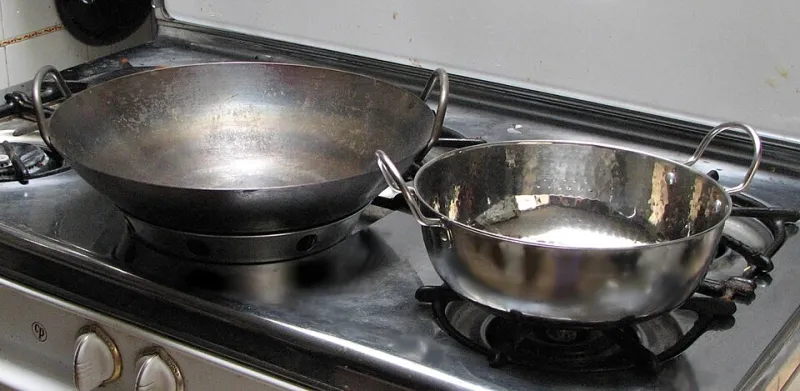
Photo: FiveRings at en.wikipedia, CC BY-SA 3.0, via Wikimedia Commons
Wok hei is the smoky, seared, almost electric flavour that makes a takeaway chow mein taste like a takeaway chow mein. It is also the most over-promised phrase in home cooking. You cannot buy it in a bottle, and a domestic hob is not a commercial jet burner. But can you fake it? I spent a week testing the usual advice in a normal British kitchen, with a carbon steel wok, a maxed-out hob and the extractor fan on full, to find out what actually matters.
What wok hei actually is
Wok hei literally means 'breath of the wok'. It is created when food hits a very hot wok, loses surface moisture quickly and picks up browned, slightly smoky notes from the metal and the fat. The key is heat, surface contact, dryness and small batches. Commercial burners output huge amounts of heat. A typical UK domestic gas hob is much weaker, and even a good induction hob cannot match a restaurant range. You cannot fully replicate the effect at home. But you can close the gap more than most recipes admit.
The tests: what worked and what did not
Carbon steel was the first win. A heavy carbon steel wok takes seasoning well and can handle high heat without warping. Non-stick is convenient, but it discourages the blazing heat that makes wok hei possible. If you have an induction hob, choose a flat-bottomed carbon steel wok that is explicitly induction-compatible.
Preheating was the second win. The wok needs to be properly hot before the oil goes in. I waited until a drop of water sizzled and vanished, then added oil and waited a few seconds more. That made a bigger difference than any expensive ingredient.
Small batches were the third win. Overcrowding steams the food. Two handfuls of noodles in a screaming-hot wok will char; four handfuls will turn limp. Cook in batches and combine at the end.
Baking soda velveting was a partial win. A small amount of bicarbonate of soda in a beef marinade makes the meat tender and glossy. It does not create char. It is a texture hack, not a wok hei hack. Use it sparingly, or the beef tastes soapy.
Dry ingredients were non-negotiable. Wet noodles, wet beef and wet vegetables all fight the wok. Pat everything dry, separate the noodles, and have your sauce ready before you turn on the heat.
Equipment checklist
- A 14-inch carbon steel wok, flat-bottomed if you cook on induction
- A high-output hob, or a portable induction hob if your main hob is weak
- A metal wok spatula
- Heatproof gloves
- A strong extractor fan and an open window
- Small bowls for prepped ingredients
- An infrared thermometer, optional but useful
- Fresh wide rice noodles or dried ho fun, cooked and dried well
Simple beef chow fun
This serves two. It is a home-kitchen version, not a restaurant one, but it delivers the savoury, slightly smoky hit you want from a takeaway.
- 200g fresh wide rice noodles, separated, or 150g dried ho fun, cooked and drained
- 200g beef steak, thinly sliced against the grain
- 1/4 tsp bicarbonate of soda
- 1 tbsp light soy sauce
- 1 tsp cornflour
- 1 tbsp water
- 1 tsp vegetable oil
- 2 spring onions, sliced, whites and greens separated
- 2 garlic cloves, chopped
- A thumb of ginger, cut into thin strips
- 100g bean sprouts
For the sauce, mix 1 tbsp oyster sauce, 1 tbsp light soy sauce, 1 tsp dark soy sauce, 1 tsp sugar and 2 tbsp water.
Marinate the beef with the bicarbonate of soda, light soy, cornflour, water and oil for 20 minutes. Heat the wok until it is smoking. Add a tablespoon of oil, then the beef in a single layer. Sear for 30 seconds without moving it, then toss and remove while still slightly pink. Add a little more oil, then the garlic, ginger and spring onion whites. Stir for a few seconds, then add the noodles. Press them against the wok and let them sit for 20 seconds before tossing. Add the sauce, return the beef, then add the bean sprouts and spring onion greens. Toss for another 30 seconds and serve immediately.
If your wok is not smoking, cook the beef and noodles in two batches. It is better to dirty an extra bowl than to steam the whole lot.
The verdict
You cannot fake a commercial burner, but you can get most of the way there with carbon steel, proper preheating, dry ingredients and small batches. The hacks that matter are boring and physical. The hacks that do not are the ones that promise restaurant flavour from a bottle. Baking soda velveting makes beef tender; it does not create char. A splash of dark soy helps colour; it does not create smoke.
In 2026, with energy prices still on everyone's mind, preheating a wok for five minutes can feel extravagant. Do it anyway. Open a window, turn the fan on, and accept that your smoke alarm is part of the recipe. That is the closest most of us will get to takeaway char at home, and it is worth the effort.