Sachet Economy: What Britain's Takeaway Condiment Drawer Really Says
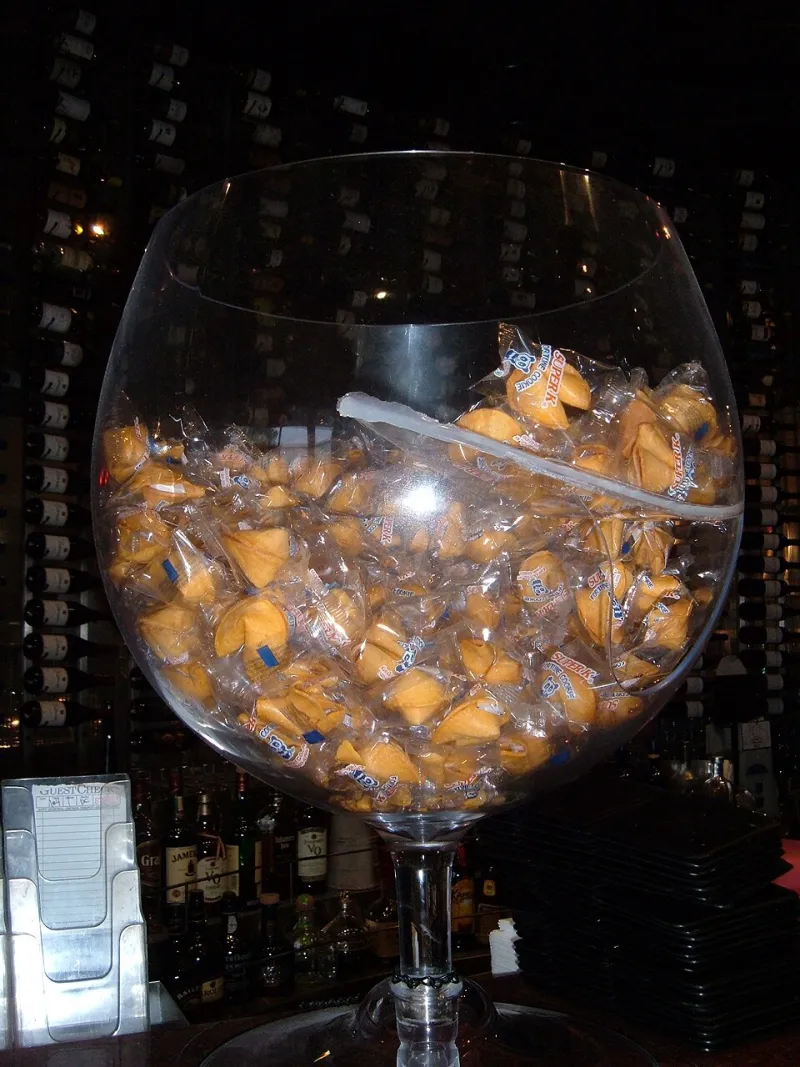
Every Chinese takeaway in Britain seems to leave a small colony behind. Not the foil trays, not the prawn crackers, but the condiment sachets: soy sauce, sweet chilli, mustard, sometimes vinegar, occasionally a lone ketchup that has wandered in from another cuisine entirely. They arrive clipped to the bag, tucked beside the chips or dropped into the bottom of the paper carrier like tiny passengers. And then, almost without fail, they end up in a kitchen drawer.
The drawer nobody planned
You know the one. It is below the cutlery, beside the takeaway menus you refuse to bin and the takeaway receipts you will never need. It is not a pantry. It is a midden with good intentions: a plastic ecosystem of sachets, rubber bands, spare batteries and a corkscrew you have used twice. The sachets are the most numerous residents. They pile up in a corner, slightly sticky, quietly multiplying.
Nobody sets out to build a condiment archive. It happens because the sachet is small, free and theoretically useful. Throwing away a sealed packet of soy sauce feels wasteful. Keeping it feels sensible. And so the drawer fills, one Friday night at a time.
Why we keep them
There is thrift in it, but also optimism. The sachet is a tiny promise that dinner can be fixed later: a lunch that needs pepping up, a batch of rice that needs seasoning, a chip emergency that needs sweet chilli. It is insurance against a bland afternoon.
There is also a very British reluctance to bin anything that came free with a meal. We have paid for the takeaway, after all, and the sachets are part of the package. Keeping them feels like getting full value. Using them feels like a small victory. Ignoring them for three years feels normal.
The sachet also says something about control. A Chinese takeaway cannot know how much salt or heat you want, so it hands over the decision in miniature. You add soy sauce at the table. You squeeze sweet chilli onto the chips. You leave the mustard alone because you are not a maniac. The sachet is a tiny negotiation between kitchen and customer, and it has been happening for decades.
The taste test, and the honesty of a tiny packet
A representative sample from the drawer tells a familiar story. The soy sauce is salty and thin, better for dribbling over rice than for dipping. The sweet chilli is the reliable one: sweet, mildly hot and dangerously easy to finish. The mustard is sharp enough to make you sit up straight; use it sparingly. The vinegar is for people who know what they are doing with chips.
None of these sachets are restaurant quality. They are not meant to be. They are portioned for one meal, sealed for a long time and priced in pennies. But they are usually better than dry chips, and they can rescue a dull lunch. The real issue is not quality. It is quantity. A drawer with forty sachets is not a pantry; it is a small environmental cost multiplied across the country.
Check the dates if you are going to use them. Sachets are sealed, but they are not immortal. If the packet is swollen, faded or older than your last phone contract, bin it. Otherwise, give it a job.
A 2026 takeaway habit in miniature
In 2026, the Chinese takeaway is less a phone call and more a tracked delivery. We order through apps, add extras with a tap and watch a rider move across a map. Yet the sachet persists. It is analogue, cheap and weirdly reassuring. It arrives even when you did not ask for it, a small reminder that the takeaway kitchen is still packing your bag by hand.
That is part of its charm. The sachet is not a premium product. It is a practical gesture, and it tells you something about the way Britain eats: we like choice, we like a bit of sauce on the side, and we like to feel we have been looked after. The drawer of sachets is the domestic afterlife of all that.
It also reveals a quiet inconsistency. We care more about packaging when it is visible and less when it is tiny. A stack of sachets does not look like much, but it adds up. Some takeaways will ask if you want sauces; others will not. In 2026, that small question is worth asking on both sides of the counter.
What to do with the colony
Triage the drawer. Keep a handful of soy sauce and sweet chilli for packed lunches, marinades and quick stir-fries. Use the mustard in a sandwich or a salad dressing. Put the vinegar on chips. Then stop. A sachet is not a souvenir, and a drawer is not a museum.
If you have a stash, you are not alone. You are running a small condiment archive, built by Friday nights and good intentions. Here at Chinese Touk, we are not above using a sachet. We are just saying: use it before it becomes archaeology.