The Lights Above the Door: What a Village Loses When Its Chinese Takeaway Closes
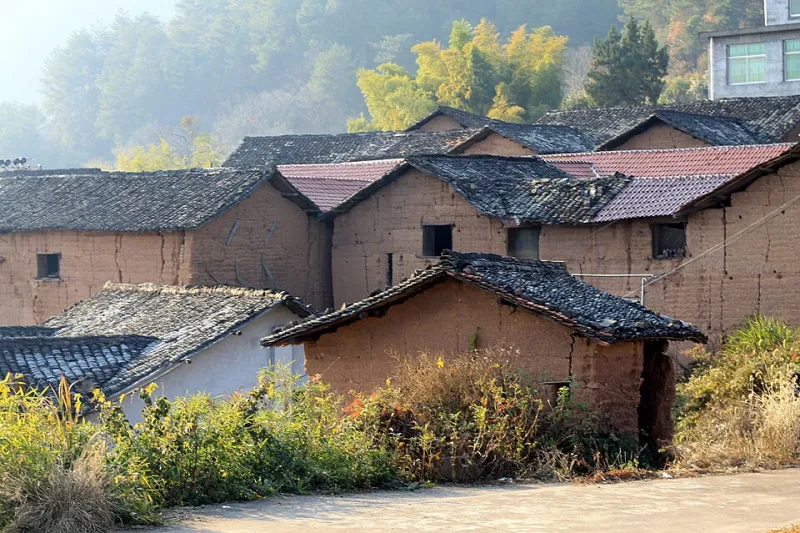
Photo: Lishuilynn, CC BY-SA 4.0, via Wikimedia Commons
Every village Chinese takeaway has a regular who knows exactly when the spring rolls come out of the fryer. They know the owner's name, the name of the owner's dog, and the precise wording of the order they have placed every other Friday since roughly 2009. Then one day the shutters are down, the phone goes to voicemail, and the village has to work out what it has lost.
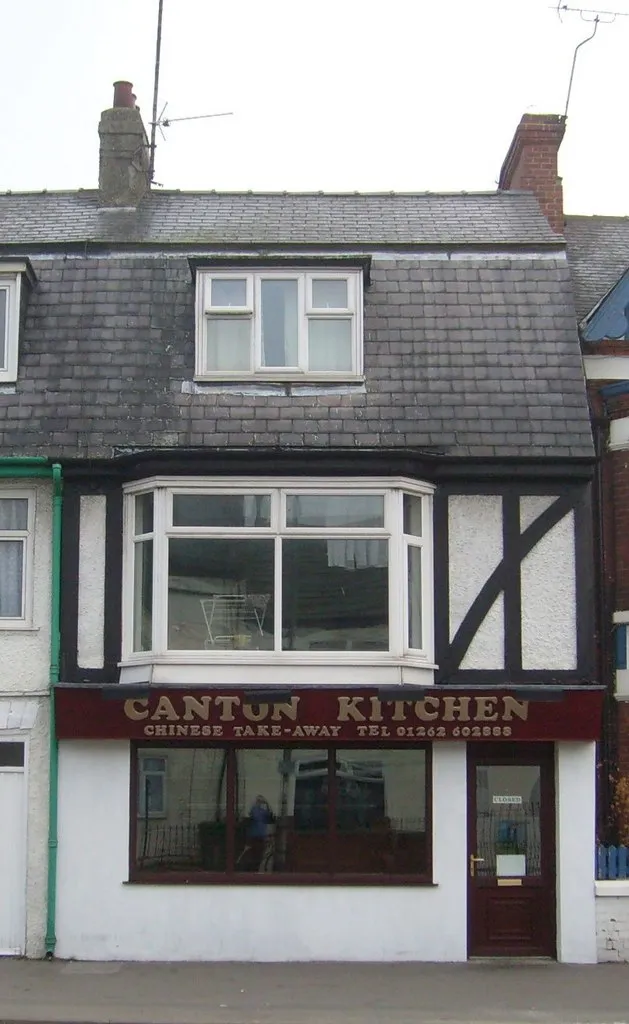
That story is playing out quietly across the UK. Not in the big cities, where another takeaway is usually a short walk away, but in the places where the local Chinese is also the local late-night option, the local birthday treat, and the local proof that the high street still has a pulse. The closures rarely make headlines. They arrive as a handwritten note in the window: thank you for your custom, we are retiring.
The closure you hear about second-hand
Rural Chinese takeaways tend to close the way they opened: without much fuss. There is no corporate announcement, no press release, no farewell tour. The news travels through the village Facebook group, the parish newsletter, and the queue at the post office. Someone posts a photo of the empty shopfront and the comments fill up with variations of the same sentiment: where are we meant to go now?
For customers, it feels sudden. For owners, it is usually the end of a long calculation. Many of the people running these kitchens came to the UK decades ago, worked seven-day weeks, raised families above or behind the shop, and are now in their sixties or seventies. Their children have often gone into different careers. They may live in cities, work in offices, or simply have no wish to inherit a business built on fourteen-hour days and a constantly ringing phone.
One owner in the Midlands, who asked not to be named, put it plainly: the wok has been good to us, but it has also been very heavy. That is not a complaint. It is an exit interview.
Why the next generation isn't taking the pans
Succession is the quiet crisis behind many rural closures. A takeaway is not just a recipe book and a lease. It is a set of habits, supplier relationships, timing, and muscle memory. A parent can teach a child to make a decent chow mein, but that does not mean the child wants to spend every Friday and Saturday night behind a hot wok while their friends are out.
The economics have also shifted. In 2026, running a small rural takeaway means balancing energy bills, ingredient costs, card fees, delivery-app commissions, and wage rates against a customer base that may be spread across several villages. The takeaway might be busy on Friday and Saturday and painfully quiet on a wet Tuesday in February. Owners cannot simply put up prices without losing the pensioners who have been ordering the same £7.50 special for years.
Then there is the building itself. Many rural takeaways occupy old shops, converted cottages, or units attached to pubs. They can come with ageing extractor systems, awkward access, and business rates that feel out of proportion to the number of customers passing through the door. A new owner might look at the numbers and decide that a coffee shop, barber, or Airbnb conversion is a safer bet.
The maths of a twenty-mile delivery radius
Delivery apps have changed the game, but not always in the way rural takeaways needed. In a town, a driver can do three drops in fifteen minutes. In the countryside, one order can mean a twenty-minute round trip down lanes with no streetlights and a customer who lives at the end of a farm track. The app still takes its cut. The customer still expects the food hot. The driver still needs paying.
Some rural takeaways have responded by narrowing their delivery area, charging more for the far-flung postcodes, or switching to collection only. Others have leaned into what they can control: smaller menus, pre-order slots, and a direct phone line that regulars still prefer. The trouble is that every one of those choices is a small contraction. Fewer deliveries mean fewer orders. A smaller menu means less reason to order something different. Eventually the numbers stop adding up.
What a village loses when the wok goes cold
It is easy to be sentimental about this, and sentiment alone does not pay a gas bill. But a rural Chinese takeaway is not just a business. It is a social fixture. It is where the football team goes after a match, where a family marks a birthday without cooking, and where someone who lives alone can have a brief, cheerful conversation while waiting for their Singapore noodles.
The closure also removes choice. In a village with one bus an hour and no late train, the Chinese takeaway may be the only hot food available after 8pm that is not a bag of crisps from the petrol station. When it goes, the nearest alternative might be a fifteen-minute drive or a delivery fee that turns a £20 meal into a £30 one. For people without cars, that is not a minor inconvenience. It is a genuine loss of access.
How communities are coping
People adapt. In some villages, locals have started car-sharing to the nearest town on a Friday night. In others, the pub has stepped in with a weekly pop-up kitchen or a guest chef night. A few former takeaway owners have gone mobile, trading from a van or sharing a commercial kitchen and taking orders by text. It is not the same as the old shop with the red lanterns in the window, but it keeps the food moving.
Cooking at home has changed too. The air fryer and the freezer have made a small difference, and there are more supermarket kits and jarred sauces than ever. But the thing people miss is rarely just the food. It is the ritual: the phone call, the wait, the foil trays, the little bag of prawn crackers, the sense that someone else is doing the work tonight.
Fewer, but not none
The rural Chinese takeaway is not disappearing entirely. Some will survive by becoming smaller, more focused, and more expensive. Others will be taken on by new arrivals, younger chefs, or families who see a gap in the market. But the era of every village having its own Chinese is probably over. The closures will keep coming, one handwritten note at a time.
Which is why the next time you see the lights above the door, it is worth noticing them. Order the usual. Say thank you. Ask how they are. The wok may still be hot, but the person holding it will not be there forever.