The £2.50 Question: What 'House Special' Actually Means on a British Chinese Menu

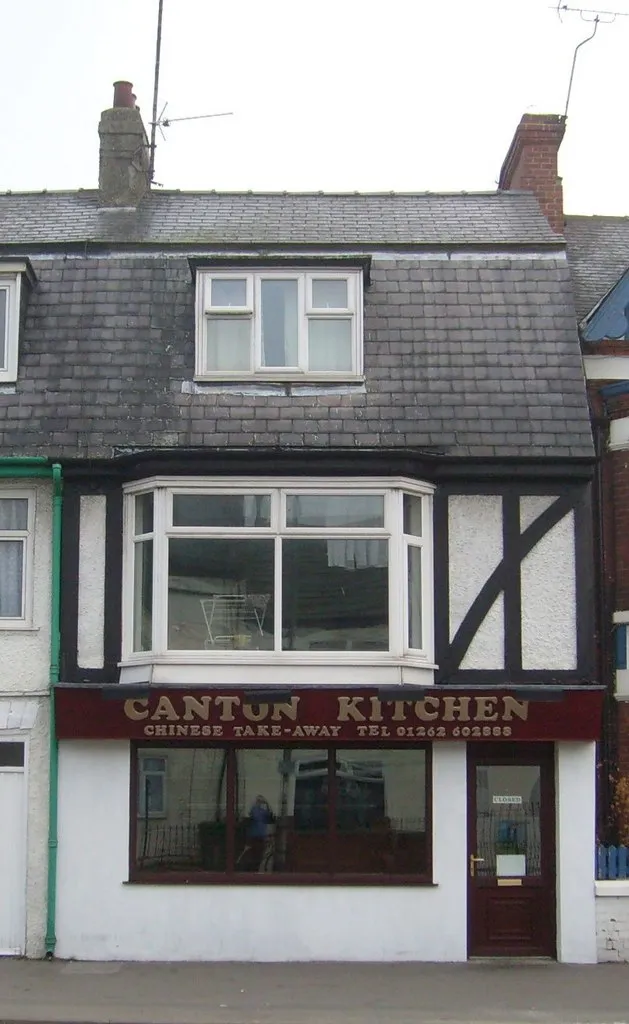
Photo: Rose and Trev Clough , CC BY-SA 2.0, via Wikimedia Commons
There is a moment on every Chinese takeaway menu when your eye drifts past the £6.80 chow mein and lands on the £9.20 house special. It sounds important. It sounds like something the chef would cook for their own family. It sounds like the dish the restaurant would put on its business card if business cards still existed.
Often, it is none of those things. Not in a sinister way — more in the way a pub calls its most average burger 'The Boss'. 'House special' is menu grammar, not a guarantee of culinary greatness. And once you notice how it works, the whole menu starts to read a little differently.
A phrase with a marketing department
British Chinese takeaway menus are full of words that sound more impressive than they are. 'Special' is the big one. 'Chef's special' is its louder cousin. 'Deluxe' turns up when someone wants another 80p. 'House special' sits somewhere in the middle, dressed in a slightly smarter font.
There is no official rulebook for any of this. A house special in Leeds may be chicken, char siu, prawns and a bit of beef. A house special in Cardiff might lean on king prawns. In one takeaway it means 'mixed meat and prawn fried rice'; in another it means 'whatever we can fit in the wok without it turning into a car crash'. The phrase travels, but the recipe does not.
That is not a scandal. It is just how local menus evolve. Takeaways adapt to their postcode, their suppliers and their regulars. But it does mean you should treat 'house special' as a label, not a promise.
The economics of 'a bit of everything'
Here is the practical bit. A house special usually costs £1.50 to £3 more than the plain version. Sometimes that is fair: you are getting more protein, more variety and a busier plate. Sometimes you are paying for a handful of small prawns and a few slices of char siu that were already sitting in separate tubs, waiting for a mixed dish to come along.
That is the prep shortcut. A kitchen doing a hundred orders on a Friday night does not want five separate woks on the go for one customer. A house special lets them scoop from the chicken, beef, prawn and barbecue pork containers and send out one substantial dish. It is efficient. It is sensible. It is not automatically the kitchen's finest hour.
The priciest dish on the menu is not always the one with the most skill in it. A whole roast duck takes time and money. A salt and pepper aubergine can demand careful frying. A house special fried rice, by contrast, is often a volume dish: rice, egg, meat, prawns, soy, spring onion, done. Nice enough, but not necessarily a signature.
What the extra pounds actually buy
Usually, more stuff. That is the honest answer. More protein, more texture, a slightly fuller foil tray. If you are feeding two people and want one dish to cover a lot of ground, that is genuinely useful.
But 'more stuff' can also mean a muddier dish. Fried rice is at its best when the grains are separate and the wok is hot enough to give everything a faint smoky edge. Pile in too many wet ingredients and you get something closer to a savoury rice pudding. Chow mein can go the same way: too many additions, too little wok space, and the noodles steam instead of fry.
So the extra pounds are not buying better cooking. They are buying variety and volume. That is worth knowing before you shell out for the most expensive thing in the column.
How to read the rest of the menu
Once you start decoding, the pattern is everywhere. 'Special' generally means mixed. 'House special' usually means mixed with a bit more confidence and a slightly higher price. 'Chef's special' may be a genuine one-off, or it may be the dish the kitchen wants to shift. 'Deluxe' is often just a larger portion with a prawn on top.
Then you get the descriptors that actually tell you something. 'Salt and pepper' means onion, chilli and a craggy coating. 'Cantonese' often signals a glossy, gravy-ish sauce. 'Szechuan' usually means chilli, whether or not it resembles anything you would find in Sichuan. 'Singapore' noodles are curried, and nobody is pretending otherwise.
None of this is an insult to takeaways. It is just a menu dialect. Learn it and you can order with your eyes open.
When the house special is the right call
There are times when the mixed dish earns its keep. A house special fried rice is a decent one-tray crowd-pleaser. A house special chow mein gives you protein variety without ordering three separate dishes. If you have a group, a couple of house specials plus a vegetable dish and some chips can cover a lot of appetites for less than a pile of individual portions.
It also works when you genuinely cannot decide. Some nights you want chicken. Some nights you want prawns. Some nights you want both and a bit of char siu, and you want it in one foil container. That is not a failure of imagination. That is a Tuesday.
Smarter orders if you want the kitchen's best work
If your goal is the best food rather than the biggest feed, look for dishes with fewer moving parts. A simple chicken and spring onion stir-fry. Roast duck on rice. Salt and pepper squid. Aubergine in garlic sauce. Beef ho fun, if the kitchen does it well. These are the orders that show whether someone knows how to handle a wok, because there is nowhere to hide.
Ask your local what they are proud of. Not in a poncy way — just 'what's good tonight?' You will often get a straight answer. It might be a special they have been running for years. It might be something off the printed menu. It might be: 'the roast duck, we do it ourselves.' That is more useful than any gold star next to a dish name.
And if you do order the house special, order it for what it is: a mixed, filling, convenient plate of food. Not the chef's magnum opus. The illusion only costs you money if you believe the font. The dish itself is just dinner — and sometimes that is exactly what you want.